
Top Roof Replacement Solutions for Your Home: Durable, Energy-Efficient, and Cost-Effective Choices
Replacing your roof is a vital home investment that enhances protection, boosts energy efficiency, and increases property value, especially in Northern Colorado’s challenging climate. This comprehensive guide for 2025 reviews the best roof replacement options, emphasizing durability, weather resistance, and overall cost-effectiveness. Discover how different roofing systems compare in lifespan, maintenance, performance, and cost, along with insights on financing and insurance claims.
Looking for an Expert Roofing Solution?
Protect your home without compromise. Sorensen’s experienced team is ready to offer a customized evaluation and support you throughout your roof replacement process.
Which Roofing Materials Lead Residential Roof Replacement in 2025?
In 2025, top roofing materials blend long-lasting durability with enhanced impact resistance, energy efficiency, and visual appeal. Popular choices include asphalt shingles, metal roofing, tile or slate, synthetic options, and flat roofing systems. Each material presents unique advantages and trade-offs in lifespan, cost, and upkeep. Your selection should align with priorities such as hail resistance and aesthetic preferences. The table below summarizes key lifespan data.
| Material | Key Property | Typical Lifespan |
|---|---|---|
| Architectural Asphalt Shingles | Lifespan | 20–30 years |
| Standing Seam Metal Roofing | Lifespan | 40–70 years |
| Tile, Clay, or Concrete | Lifespan | 50–100 years |
| Synthetic Slate | Lifespan | 30–50 years |
| Flat Roofing Systems (TPO, PVC, EPDM) | Lifespan | 20–30 years |
Durability and Cost of Asphalt Shingles
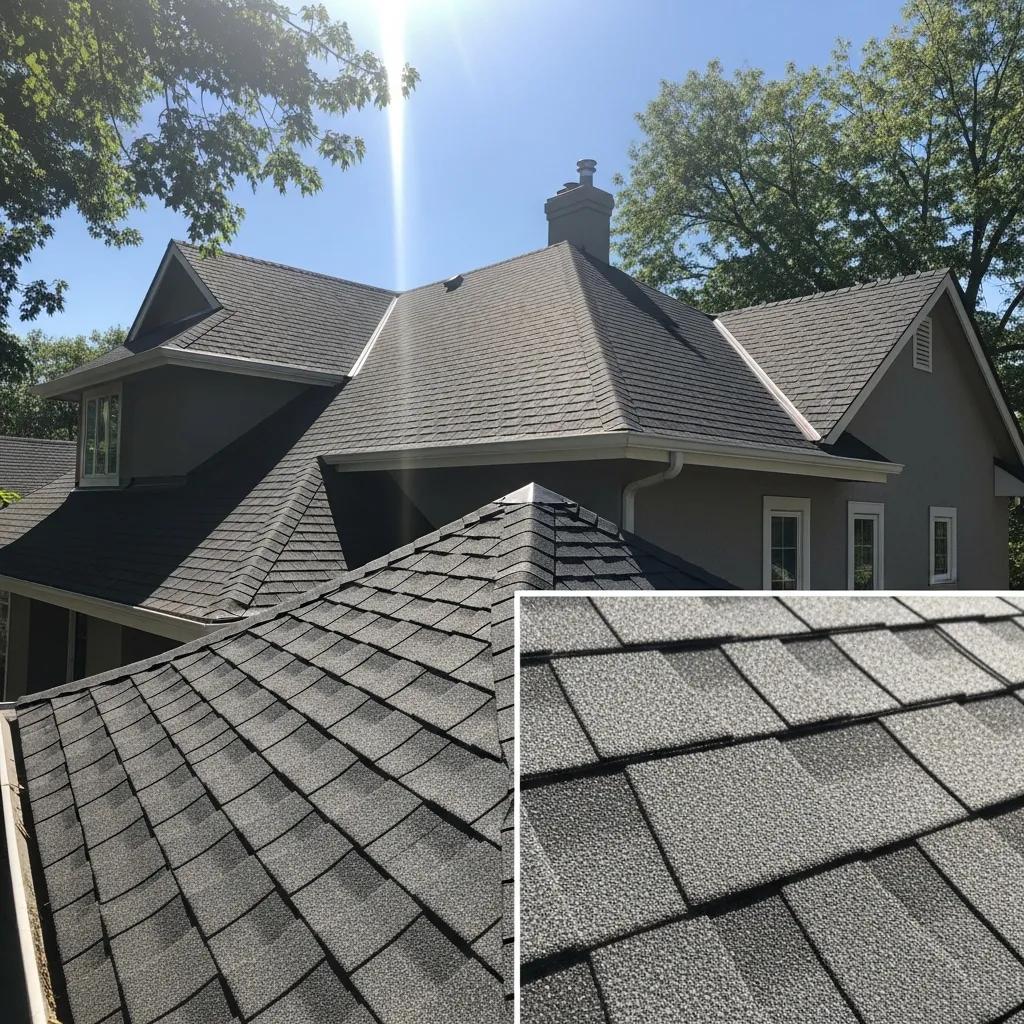
Asphalt shingles remain the most widely used roofing material due to their affordability, availability, and ease of installation. Architectural shingles provide enhanced wind resistance and improved aesthetics, while Class 4 impact-rated shingles offer superior hail protection. Typically lasting 20 to 30 years, asphalt shingles require minimal maintenance and have a lower upfront cost.
- Cost-effective and widely accessible.
- Architectural styles enhance durability and curb appeal.
- Class 4 impact ratings improve hail resistance.
Advantages of Metal Roofing for Northern Colorado Homes
Metal roofing, available in standing seam or corrugated panel styles, offers exceptional longevity, excellent resistance to wind and hail, and reflective properties that reduce cooling costs during summer. Standing seam metal roofs feature concealed fasteners, minimizing leaks and improving wind performance. Reflective coatings further boost energy efficiency. Although the initial investment is higher, metal roofs require little maintenance and often come with long warranties, making them a smart choice for hail-prone Northern Colorado.
- Durable with minimal maintenance over decades.
- Standing seam design enhances leak and wind resistance.
- Reflective finishes contribute to energy savings.
Energy Efficiency and Weather Resistance of Roofing Materials
The choice of roofing material significantly affects energy consumption through factors like reflectivity, emissivity, and insulation, as well as weather resistance via material strength and installation quality. High-reflectivity materials reduce solar heat gain, lowering cooling costs. Weather resistance depends on impact ratings for hail, wind uplift resistance, and proper flashing and underlayment. Selecting materials that withstand local climate challenges while reducing utility bills is essential.
| Material | Energy Efficiency | Weather Resistance |
|---|---|---|
| Asphalt Shingles | Moderate reflectivity; enhanced with cool roof coatings | Moderate; impact-rated options available |
| Metal Roofing | High reflectivity; effective with insulation | High; excellent hail and wind resistance |
| Tile and Slate | Thermal mass benefits; varies by finish | Excellent; heavy and durable but requires strong structure |
| Synthetic Roofing | Can mimic slate with lighter weight; variable reflectivity | High; many products offer enhanced impact resistance |
Best Roofing Materials for Hail and Wind Resistance
Materials with top hail and wind resistance include Class 4 impact-rated asphalt shingles, standing seam metal roofing, and durable synthetic products. Class 4 ratings signify superior impact performance and are often favored by insurance companies. Metal roofing naturally resists punctures and performs well under wind uplift. Proper installation is critical to maximize storm resilience.
- Choose Class 4-rated shingles in hail-prone regions.
- Standing seam metal offers excellent wind and impact resistance.
- Quality installation is key to storm performance.
How Metal Roofing Enhances Home Energy Savings
Metal roofs improve energy efficiency through their high reflectivity and emissivity, which reduce solar heat absorption and lower attic temperatures. When combined with proper insulation and ventilation, metal roofing can significantly decrease cooling loads and enhance HVAC system performance. Additionally, metal roofs are well-suited for solar panel installation. Evaluating metal roofing’s energy benefits alongside lifecycle costs can reveal substantial net savings.
- High reflectivity reduces surface heat and cooling needs.
- Proper ventilation and insulation maximize energy efficiency.
- Compatible with solar energy systems for added savings.
What Is the Typical Cost of Roof Replacement in Northern Colorado in 2025?
Roof replacement costs in Northern Colorado vary based on material choice, roof complexity, tear-off requirements, and permit or disposal fees. Key cost factors include material prices, labor rates, roof pitch, and any necessary structural reinforcement. It’s important to budget for permit fees, waste disposal, and potential hidden deck repairs. The table below outlines typical cost components.
| Cost Component | Description | Typical Range / Notes |
|---|---|---|
| Material Cost | Varies by roofing type | Asphalt shingles are economical per square foot |
| Labor Cost | Installation complexity and roof pitch | Higher for steep roofs and tile installations |
| Tear-off Cost | Removal and disposal of old roofing | Depends on number of layers and roof accessibility |
| Permit Fees | Local government requirements | Varies by municipality; include in budget |
| Structural Reinforcement | Needed for heavy roofing materials | Additional cost for tile or slate roofs |
Key Factors Influencing Residential Roof Replacement Costs
Material choice, roof design complexity, existing roof layers, structural needs, site access, labor rates, and permit fees are major cost drivers. Premium materials increase upfront expenses but often reduce long-term maintenance. It’s wise to allocate 10–20% of your budget for unforeseen issues. Cost control strategies include selecting simpler roof designs, scheduling work during off-peak seasons, and requesting detailed estimates. Full roof replacements require professional expertise.
- Material and labor constitute the largest expenses.
- Steep pitches and difficult access raise labor and safety costs.
- Hidden deck damage can significantly increase total cost.
Making Roof Replacement Affordable with Financing Options
Financing through home improvement loans or contractor payment plans can spread out roof replacement costs, easing immediate financial pressure and enabling investment in higher-quality materials. Compare annual percentage rates (APRs), loan terms, and total interest costs carefully. Energy-efficient upgrades may qualify for special financing or incentives. Always prioritize transparent terms and clear repayment schedules.
- Financing enables access to premium roofing options.
- Compare APR, term length, and overall cost before committing.
- Energy-related improvements may offer additional financial benefits.
How to Manage Insurance Claims for Storm-Damaged Roof Replacement
Successfully navigating insurance claims after storm damage requires prompt and thorough documentation, timely inspections, and clear communication. Understanding the claims process helps reduce delays and improve coverage outcomes. The typical workflow includes immediate damage documentation, professional inspection, estimate preparation, claim submission, and coordination with insurance adjusters. Contractors can assist in gathering evidence and managing repairs efficiently.
- Document Damage Immediately: Take photos of hail dents, missing shingles, and debris right after the storm.
- Schedule a Professional Inspection: Obtain a detailed inspection report identifying visible and hidden damage.
- File an Insurance Claim: Submit photos and contractor estimates to initiate the insurer’s review.
- Coordinate Adjuster Visit: Attend the adjuster’s inspection with your contractor to ensure all damage is acknowledged.
- Approve and Schedule Repairs: Once approved, arrange for repairs and keep copies of all documentation.
Insurance Claim Process with Sorensen Roofing
Sorensen Roofing & Restoration supports homeowners through storm damage claims by providing detailed inspections, comprehensive estimates, and coordination with insurance adjusters. The process begins with a free drone inspection to capture high-resolution evidence, followed by a professional scope of work. Sorensen assists with claim documentation, attends adjuster walkthroughs, and addresses discrepancies to facilitate fair settlements and expedite repairs.
- Free drone inspections deliver precise damage documentation.
- Sorensen prepares insurer-ready estimates and manages adjuster communications.
- Claim assistance reduces homeowner stress and accelerates repair timelines.
Preferred Roofing Materials for Storm Damage Repairs
For homes affected by storms, insurance companies often favor replacements using Class 4 impact-rated asphalt shingles, standing seam metal roofing, and engineered synthetic materials with proven impact resistance and warranty coverage. These materials are recognized for their durability and performance. Homeowners should balance cost, appearance, and insurer preferences to select the best option. Durable materials help minimize future storm-related claims.
- Class 4-rated shingles and metal roofing are top choices for storm repairs.
- Manufacturer warranties and impact ratings influence insurance approvals.
- Durable materials reduce the likelihood of repeat damage and claims.
Sorensen Roofing’s Streamlined 3-Step Roof Replacement Process
Sorensen Roofing & Restoration simplifies roof replacement with a three-step approach: Free Drone Inspection, Customized Solution, and Professional Installation. Step one uses drone technology to provide accurate, insurer-ready damage reports. Step two delivers a tailored proposal aligned with your material preferences and budget. Step three ensures expert installation, thorough cleanup, and warranty registration.
- Free Drone Inspection: Safe, rapid aerial assessment capturing hail, wind, or impact damage.
- Customized Solution: Detailed proposal covering materials, timeline, and financing options.
- Professional Installation: Skilled crews perform installation, cleanup, and warranty registration.
Benefits of the Free Drone Inspection
The free drone inspection provides high-resolution aerial images from multiple angles, revealing damage without the risks of manual roof access. This data enables precise documentation for insurance claims, supports adjuster evaluations, and accelerates estimate preparation. The result is faster, more accurate proposals and stronger claim submissions.
- Reduces inspection time while increasing accuracy.
- Provides imagery that supports insurer communications and detailed estimates.
- Enhances safety by avoiding manual roof climbs.
What’s Included in Customized Solutions and Expert Installation?
Customized solutions involve selecting roofing materials based on color, profile, and impact rating, as well as ventilation, underlayment, and any necessary structural reinforcement. Expert installation adheres to manufacturer guidelines and local building codes, including careful removal of old roofing, deck inspection and repair, professional flashing installation, and thorough cleanup. Warranties are registered, and homeowners receive detailed maintenance and warranty documentation.
- Material and ventilation choices tailored to home structure and climate risks.
- Installation meets manufacturer and code requirements to preserve warranties.
- Post-installation documentation clarifies maintenance and warranty procedures.
Comparing Roofing Materials: Lifespan, Maintenance, and Aesthetic Appeal
Evaluating roofing materials by lifespan, maintenance needs, and visual compatibility helps homeowners make informed decisions about return on investment and suitability. Metal and tile or slate roofs offer the longest lifespans with low maintenance but come with higher initial costs and possible structural reinforcement. Asphalt shingles are affordable and easier to install or repair but have shorter lifespans. Synthetic materials provide a balance of aesthetics and lighter weight. The table below summarizes these factors.
| Material | Maintenance Level | Typical Lifespan | Aesthetic Fit |
|---|---|---|---|
| Asphalt Shingles | Moderate | 20–30 years | Wide variety; suits many architectural styles |
| Metal Roofing | Low | 40–70 years | From modern to traditional, depending on profile |
| Tile and Slate | Low to Moderate | 50–100 years | Premium, Mediterranean, and historic styles |
| Synthetic Roofing | Low | 30–50 years | Mimics premium materials with lighter weight |
Pros and Cons of Tile, Slate, and Synthetic Roofing
Tile and slate roofing provide exceptional longevity and distinctive aesthetics but involve higher material and installation costs, along with increased structural demands. Synthetic roofing replicates the look of slate or tile with reduced weight and complexity, offering a balance between appearance and structural requirements. Consider your home’s structural capacity, desired style, and budget when choosing.
- Tile and slate: unmatched durability and premium appearance, higher cost and weight.
- Synthetic: similar look with lighter weight and moderate lifespan.
- Choose based on structural limits, aesthetics, and lifecycle costs.
When to Choose Fire-Resistant Roofing Systems for Safety
Fire-rated roofing systems (Class A, B, or C) are recommended for homes in wildfire-prone areas or where insurance incentives apply. These systems include certain metal roofs, treated tile, and specially formulated synthetic materials designed to resist burning and ember penetration. In high-risk zones, combining fire-resistant underlayment, ember-resistant vents, and non-combustible materials enhances protection. Fire-resistant roofing provides critical safety and insurance benefits.
- Fire ratings indicate resistance to flames and embers.
- Combine fire-resistant materials with ember-resistant installation details.
- Consider fire-rated roofing in wildfire-prone regions or for insurance advantages.